When homeowners start thinking about a new driveway, one of the first questions I usually hear is whether they should go with asphalt or concrete. Both are solid choices, but they are very different in how they perform, how much they cost, and how much upkeep they need over time.
I have spent years working with both materials, and I can tell you there is no one size fits all answer. The right choice depends on your budget, your climate, and how long you plan to stay in your home. In this blog, I want to break it down in simple terms so you can make the best decision for your property.
Understanding the Basics
Before comparing cost and performance, it helps to understand what each material actually is.
Asphalt driveways
Asphalt is a mixture of stone, sand, and petroleum-based binder. It is laid hot and compacted into a smooth surface. It has a dark color and a slightly flexible structure, which allows it to move with temperature changes.
Concrete driveways
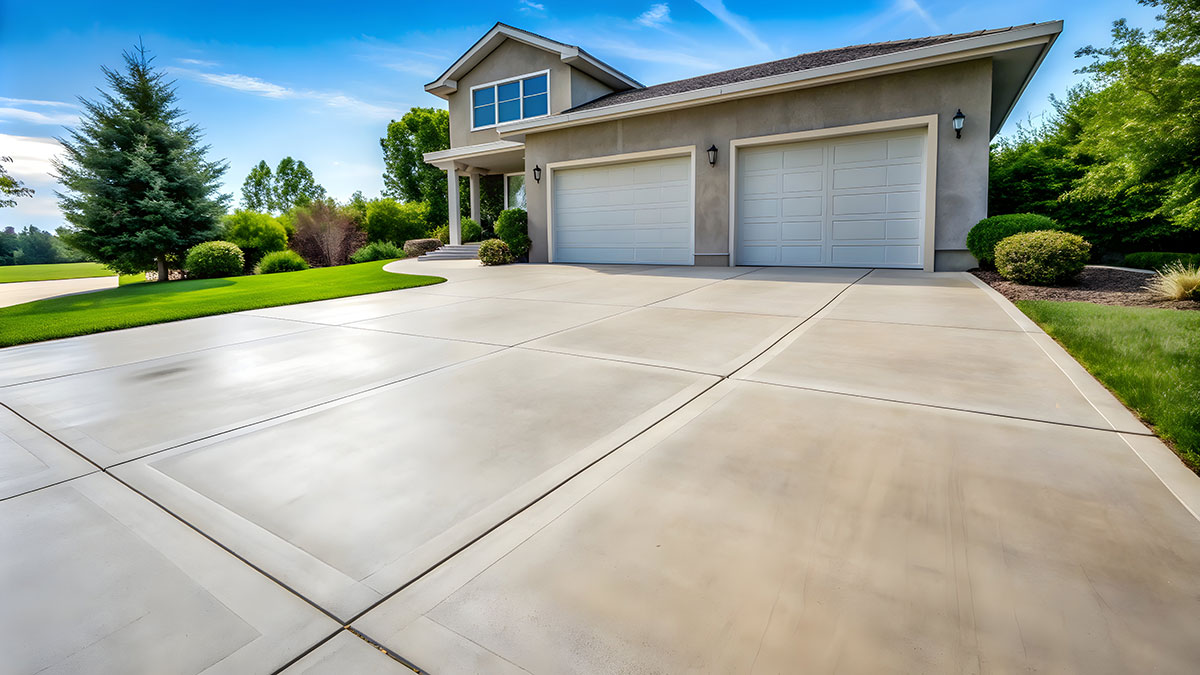
Concrete is made from cement, sand, stone, and water. Once it sets, it becomes a rigid, hard surface. It is lighter in color and tends to have a more finished, decorative appearance if properly installed.
Both can last a long time when installed correctly, but they behave very differently over the years.
Cost Comparison
For most homeowners, cost is the deciding factor upfront.
Asphalt cost
Asphalt is usually less expensive to install. It requires less time to cure and generally involves lower material costs. For homeowners on a tighter budget or those who want a quicker installation, asphalt is often the more practical choice.
Concrete cost
Concrete typically costs more upfront. The materials are more expensive, and the installation process takes longer. You also need more curing time before you can drive on it.
However, higher upfront cost does not always mean worse value. That comes down to long term performance.
Durability Over Time
Durability is where the differences between asphalt and concrete really start to show.
Asphalt durability
Asphalt is flexible, which is both a strength and a weakness. It can handle freeze and thaw cycles better because it moves slightly with temperature changes. However, it is more prone to surface wear, cracking, and softening in extreme heat.
With proper maintenance, asphalt can last 15 to 25 years, sometimes longer.
Concrete durability
Concrete is much harder and more rigid. It handles heavy loads very well and does not soften in hot weather. It is also more resistant to surface wear over time.
However, in colder climates, concrete can crack if water gets into small openings and freezes. When installed and maintained properly, concrete can last 25 to 40 years or more.
Maintenance Requirements
This is an area where homeowners often underestimate the long term commitment.
Asphalt maintenance
Asphalt requires regular upkeep. That includes crack sealing and sealcoating every few years. Without it, water can get into the surface and cause damage quickly.
The good news is that repairs are usually simple and affordable. Small cracks can be sealed easily, and resurfacing is an option if the base is still solid.
Concrete maintenance
Concrete requires less frequent maintenance, but repairs can be more noticeable and more expensive. Cracks are harder to fix invisibly, and surface issues like scaling or spalling can appear over time.
Sealing joints and protecting the surface helps extend its lifespan, especially in areas with harsh winters.
Appearance and Curb Appeal
A driveway is not just functional. It also affects the look of your home.
Asphalt appearance
Asphalt has a clean, dark finish that gives a neat and uniform look. It blends well with most homes, but it does not offer much in terms of decorative options.
Concrete appearance
Concrete offers more flexibility in design. It can be stamped, colored, or textured to match different styles. If curb appeal is a priority, concrete usually has the edge.
Climate Considerations
Where you live plays a big role in deciding between asphalt and concrete.
Cold climates
Asphalt tends to perform better in freeze and thaw conditions because of its flexibility. It is less likely to crack from ground movement.
Hot climates
Concrete performs better in high heat because it does not soften like asphalt can. In very hot regions, asphalt may require more maintenance.
Long Term Value
When I talk to homeowners, I always remind them that the cheapest option today is not always the cheapest over time.
Asphalt may save money upfront, but it will require more maintenance. Concrete costs more initially, but it may last longer with less frequent upkeep.
The right choice depends on how long you plan to stay in your home and how much maintenance you are comfortable handling.
Final Thoughts
Both asphalt and concrete are strong, reliable options when installed properly. The key is not just choosing the material, but choosing the right contractor who understands how to prepare the base, manage drainage, and finish the job correctly.
In my experience, the best driveways are the ones built with care from the ground up, not just poured and left to figure itself out over time.
If you take anything from this, it is this simple idea. Good paving is not just about the surface you see. It is about the foundation underneath and the workmanship behind it. That is what determines whether your driveway lasts a few years or a few decades.